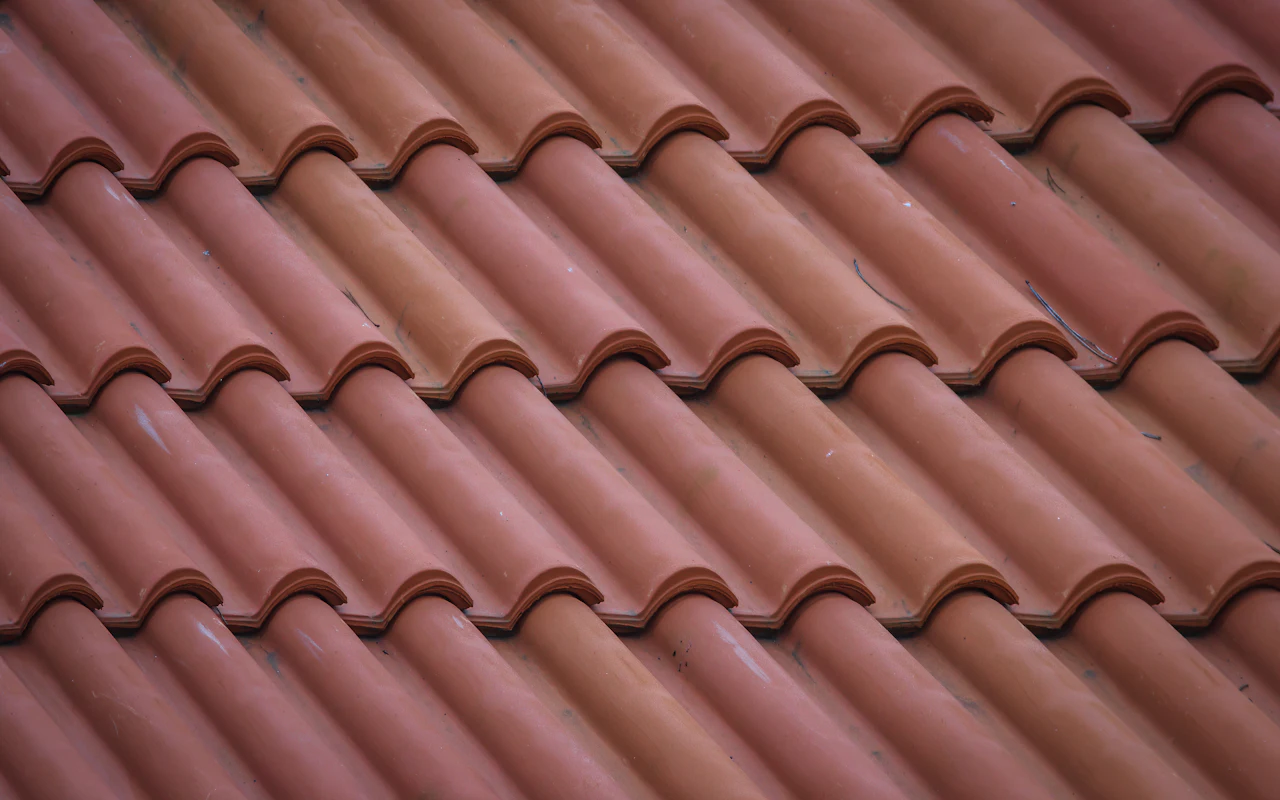
This is the worry that stops a lot of people going solid. You bought a conservatory for the light, and now someone is suggesting you put a roof on it like any other room. Will it end up feeling like a garage with nice windows? In most cases, no, but it is worth thinking through for your own house before you commit.
How much light you actually lose
A glass roof lets light in from straight above, which is where the brightest part of the sky is on a grey day. Take that away and the room relies on the walls: the windows, the doors and any glazed panels around the sides.
Most conservatories are glazed down to a low dwarf wall or the floor on two or three sides. That is still a lot of glass, and it is often more than an ordinary extension would have. So the room becomes less bright, but it is far from dark.
What makes the biggest difference
Three things tend to decide how a solid roof feels inside:
- Which way it faces. A south or west-facing room keeps plenty of light. A north-facing one, or one hemmed in by a fence or next door’s extension, feels the change most.
- How much wall glazing there is. A conservatory with full-height glazing fares better than one on a high brick base.
- How deep it is. Light from the side windows only reaches so far. A deep room will be dimmer at the back, close to the house wall.
If your house sits in a terraced street with a narrow garden, the second and third points carry more weight.
Ways to bring light back
You do not have to choose between a warm room and a bright one. There are a few ways to have some of both.
Roof lantern
A lantern is a raised, glazed structure set into the solid roof, usually over the middle of the room. It brings top light back exactly where the walls cannot reach. On national guide figures a lantern adds roughly £1,200 to £3,000 to the cost of the roof. Try it in the cost calculator to see the effect on the total.
Roof windows
Flat or pitched roof windows set between the rafters are a simpler option on some roof designs. They give less light than a lantern but are neater on a small lean-to.
Pale finishes
A white or very pale plastered ceiling reflects a surprising amount of light around the room. Dark beams and heavy colours do the opposite.
Does adding glass back affect the regulations?
Partly, yes, though it rarely makes things simpler. A 2013 government circular explains that once the glazing is cut back by a large amount, the room may stop counting as a conservatory at all. Putting a lantern in the middle does not change the verdict: tiles with a lantern are tiles, and approval is normally still needed. The regs page for Manchester explains what that involves.
A worked example
Take two medium conservatories on the same street in Manchester, each roughly 12 m² of floor.
| House A | House B | |
|---|---|---|
| Faces | South-west | North |
| Wall glazing | Full height on three sides | Dwarf wall, glazing above |
| Shade | Open garden | Neighbour's extension close by |
| Likely choice | Tiled roof alone | Tiled roof with a lantern, or glass |
House A would probably be happy with a plain tiled warm roof in the £8,000 to £12,000 national band. House B might need a lantern on top, taking the guide figure to roughly £9,200 to £15,000, or might be better off with new glass at about £3,500 to £5,000. Same size, very different answers.
Getting a view on your own room
The quickest way to know is to have someone stand in the room with you on a dull afternoon and talk it through. A good fitter will ask which way it faces before they talk about tiles, and should be just as willing to tell you glass suits you better.
When you want that conversation, start from the conservatory roof replacement Manchester page and ask for a quote.